Health and Safety Policy for Gardeners Queensbury
 Health and safety is a core part of every gardening task, from routine lawn care to more complex outdoor maintenance. For gardeners in Queensbury, a clear policy helps ensure that all work is carried out with care, attention, and a strong focus on preventing avoidable harm. Whether the task involves pruning, planting, hedge cutting, or clearing debris, safe working practices protect workers, clients, and visitors alike.
This policy sets out the standards expected in garden maintenance and related services. It is designed to support safe decisions in the workplace, reduce risks, and promote a responsible approach to outdoor work. The nature of gardening means hazards can change with the weather, terrain, tools, and plants involved, so a flexible but consistent safety framework is essential.
 A safe working environment begins with proper planning and a careful assessment of the task ahead. Before any job starts, hazards should be identified and controlled wherever possible. These may include uneven ground, sharp tools, hidden objects in soil, manual handling risks, slippery surfaces, or exposure to plants that may irritate skin or cause allergic reactions.
Every gardener should use equipment appropriately and follow manufacturer instructions at all times. Tools and machinery must be inspected before use, cleaned after work, and stored securely when not in service. Damaged equipment should be removed from use immediately. Well-maintained tools not only improve efficiency but also reduce the chance of injury during routine and heavy-duty tasks.
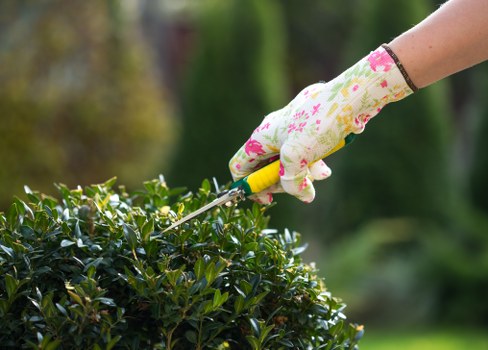
Personal protective equipment is an important part of safe practice. Depending on the job, this may include gloves, safety footwear, eye protection, hearing protection, or weather-appropriate clothing. In many cases, protective gear helps reduce exposure to cuts, impact, dirt, noise, and adverse weather. It should be worn correctly, checked regularly, and replaced when worn or damaged.
When using ladders, cutting equipment, or powered garden machinery, extra caution is required. Operators must remain alert, keep a stable stance, and avoid distractions. 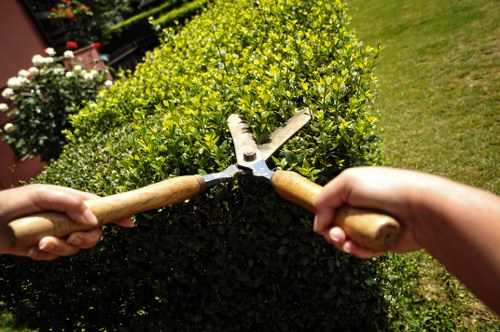 Only trained and competent individuals should carry out tasks that involve elevated work, rotating blades, or equipment that may create flying debris. Where needed, work should be paused if conditions become unsafe.
Manual handling is another key area of concern in garden work. Carrying soil bags, lifting pots, moving materials, and transporting equipment can all lead to strains or back injuries if done incorrectly. Tasks should be planned to reduce unnecessary lifting, and heavier loads should be moved using suitable aids or team lifting where practical. Taking a measured approach helps maintain long-term wellbeing.
Weather can have a major effect on safety in outdoor environments. Wet ground may increase slip risks, strong sun can lead to dehydration or heat stress, and cold conditions may reduce dexterity and concentration. A sensible garden safety policy encourages workers to adjust their pace, take breaks, drink water, and wear clothing suited to the conditions. Weather awareness is essential in every season.
Attention must also be given to the handling of chemicals and biological materials. Fertilisers, weed control products, and cleaning agents should be used only according to instructions and stored properly to avoid contamination. Gardeners should also be cautious around compost, mould, pollen, and insect activity, especially when dealing with overgrown or long-untended spaces. Risk reduction starts with awareness and good housekeeping.
Emergency readiness is a fundamental part of any gardeners safety policy. First aid supplies should be available, and workers should know how to respond to cuts, sprains, burns, or exposure incidents. If a serious issue occurs, work must stop immediately and appropriate action should be taken. Clear reporting procedures help ensure that incidents are recorded, reviewed, and used to improve future practice.
Training and supervision are also central to maintaining safe standards. New staff should receive clear instruction on equipment use, safe lifting, hazard awareness, and site conduct. Ongoing refreshers help reinforce good habits and keep safety at the forefront of daily work. Supervisors should regularly review practices to confirm that tasks are being completed carefully and consistently.
 Good housekeeping supports every part of this policy. Paths should be kept clear, tools should not be left in walkways, waste should be collected promptly, and work areas should be left tidy at the end of each job. A clean and organised site reduces trips, prevents confusion, and creates a safer experience for everyone present.
Risk management is not a one-time exercise; it should be reviewed whenever tasks, locations, weather, or equipment change. Gardeners Queensbury should make safety checks part of normal practice rather than treating them as an optional extra. When workers are encouraged to speak up about hazards, near misses, or unsafe conditions, the whole service becomes stronger and more reliable.
Ultimately, this policy supports a professional standard of care across all gardening activities. By combining training, proper equipment, personal responsibility, and regular risk awareness, a safer working environment can be maintained throughout the year.  The goal is to deliver dependable garden services while protecting health, reducing incidents, and promoting confidence in every aspect of the work.