Queensbury Village green garden maintenance mistakes to avoid
If you manage a village green, communal garden, or a shared patch of turf in Queensbury, the small mistakes matter far more than people think. One wrong cut, one missed weed, one badly timed tidy-up, and suddenly the whole space looks tired, patchy, or a bit neglected. This guide on Queensbury Village green garden maintenance mistakes to avoid is here to help you protect the look, health, and long-term usability of the space without making your routine harder than it needs to be.
We'll walk through the most common errors, why they cause trouble, how maintenance should actually be handled, and where a bit of planning saves a lot of backtracking later. There's also a practical checklist, a comparison table, and a few realistic examples from the kind of everyday jobs that come up again and again. Nothing flashy. Just solid, useful advice that helps a green stay green.
Why Queensbury Village green garden maintenance mistakes to avoid Matters
A village green is not just another lawn. It is usually visible, shared, and expected to look cared for all year round. That means maintenance problems show up quickly: bare patches, uneven edges, overgrown borders, slippery paths, or weeds that seem to arrive overnight and then invite their friends. In a place like Queensbury, where weather can turn from mild to wet and back again without much warning, small errors can snowball fast.
The biggest issue is that bad maintenance often looks harmless at first. Cutting grass too short seems neat in the moment. Leaving leaf build-up for "next weekend" feels manageable. Letting hedges go a bit too long doesn't sound dramatic. But these habits weaken the planting, stress the soil, and create extra work later. Truth be told, most garden recovery jobs begin with exactly that sort of slow drift.
If the green is part of a larger garden system, the risks spread further. Poor mowing can damage turf health. Skipped weed control can encourage invasive growth. Neglected borders can let ivy or self-seeded shrubs take hold. And once one corner becomes scruffy, the whole area can start to look unfinished. For practical support, some readers also find it helpful to compare this kind of routine with regular garden maintenance services, especially when the space needs ongoing care rather than a one-off tidy.
How Queensbury Village green garden maintenance mistakes to avoid Works
Good maintenance starts with understanding how the space is used and what it needs through the seasons. A village green is usually a living system rather than a static decorative area, so the work should follow the condition of the grass, borders, hedges, trees, and any hard landscaping nearby. You do not treat spring the same way you treat late autumn. That's where many problems begin.
A sensible routine usually includes mowing, edging, weed removal, hedge trimming where relevant, leaf clearance, watering only when necessary, and checking drainage after heavy rain. It also means watching for signs of stress rather than reacting only once damage is obvious. In our experience, the best results come from regular, lighter intervention rather than dramatic catch-up work. It sounds simple because it is.
That said, some tasks should be approached carefully. For example, overgrown areas often need a proper reset rather than a quick trim. If the green has been left for a while, a step-by-step approach like the one described in this overgrown garden recovery guide can be a useful reference point. The principle is the same: assess first, cut second, tidy third.
A maintenance plan also works best when it matches the site's actual conditions. A shaded village green near mature trees will behave differently from an open space exposed to wind and sun. If your garden gets battered by weather, the advice in shielding a garden against harsh weather is very relevant. Likewise, colder months need their own approach, which is where winter plant protection advice comes in handy.
Key Benefits and Practical Advantages
When maintenance is done properly, the benefits are immediate and long-lasting. The green looks sharper, yes, but that is only the start. Healthy turf, controlled borders, and tidy access points all reduce future work. You spend less time rescuing problems and more time keeping things in shape. That is the real win.
- Better presentation: neat mowing lines, clean edges, and controlled growth create a cared-for look.
- Stronger plant health: less stress on grass, shrubs, and border plants means better recovery after weather changes.
- Lower long-term costs: prevention is usually cheaper than dealing with damage, replacement planting, or serious weed spread.
- Safer use: fewer trip hazards, slick surfaces, and blocked sightlines.
- Easier upkeep: regular attention keeps jobs smaller and more predictable.
There is also a subtle social benefit. Shared outdoor spaces tend to get used more when they look inviting. A tidy green encourages people to walk through it, sit nearby, or simply treat it with a bit more respect. That matters in a village setting. Small thing, big difference.
Who This Is For and When It Makes Sense
This guide is for anyone responsible for a shared green space in or around Queensbury: residents' groups, landlords, property managers, caretakers, community volunteers, and homeowners dealing with a communal frontage or a large shared garden. If the maintenance work has started to feel inconsistent, reactive, or overwhelming, this is probably the right moment to reset the routine.
It also makes sense if you have recently inherited a neglected space. Maybe the grass is patchy, the hedges are wild, and the borders have turned into a bit of a wildlife corridor. Not always a bad thing, of course, but there is a line between natural and messy. A guide like these must-know gardening tips for beginners can help if you are starting from scratch and need the basics without the jargon.
People often ask whether they should handle it themselves or call in help. The honest answer: if the area is small, predictable, and already fairly tidy, DIY can work well. If it is repeatedly getting overgrown, requires specialist cutting, or involves awkward access, a professional approach may be the safer and more economical option. For practical next steps, a service such as general gardening services can cover the wider workload without you needing to coordinate everything alone.
Step-by-Step Guidance
Here is a straightforward way to approach village green maintenance without tripping over the usual mistakes.
- Inspect the whole space first. Walk the area slowly. Look for uneven grass, weed colonies, low branches, moss, pooling water, compacted soil, damaged edging, and signs of wear.
- Decide what needs priority. Safety issues come first, then plant health, then appearance. If a branch is hanging low over a path, that beats cosmetic trimming every time.
- Set the mowing height properly. Cutting too short is one of the most common mistakes. Keep enough leaf blade on the grass to support recovery, especially during dry or cold spells.
- Clear the edges and borders. A neat edge makes the whole green look more intentional. It also helps prevent grass from creeping into beds and paths.
- Remove weeds before they seed. Don't let one patch become a whole season's problem. Use a regular control routine rather than waiting for a full invasion.
- Check for drainage and soil compaction. If water sits on the surface after rain, the grass will struggle. Aeration may help in some cases.
- Prune with purpose. Hedges and shrubs should be cut according to species and timing, not by instinct with a hedge trimmer and a hopeful attitude.
- Finish with a clean-down. Remove clippings, fallen debris, and anything left on paths. It makes the space safer and easier to inspect next time.
If the area includes seating, a hard standing, or paved sections, don't forget those are part of the maintenance picture too. A green can look tidy and still feel shabby if the nearby surfaces are stained or slippery. That is why some managers pair maintenance with patio cleaning or broader outdoor care.
Expert Tips for Better Results
One useful habit is to think in layers. Ground layer, border layer, canopy layer. It sounds a bit tidy on paper, but it helps. The grass might need mowing, the border might need weed control, and the trees above might need a light check for deadwood or imbalance. When you look at the site in layers, you spot issues earlier.
Another tip: choose maintenance windows carefully. Wet grass tears more easily. Frost makes some plants brittle. Hot, dry spells can make the surface more vulnerable than it looks. A quick job done at the wrong moment can create more harm than a slower job done on a better day. You will notice this especially in British weather, where the sky can shift on you in about ten minutes.
Keep a simple log, even if it is just a notebook or a shared digital note. Record mowing dates, trimming work, any problem areas, and what was done to fix them. It sounds slightly over-organised until the fifth time you're wondering, "Hang on, when was that last cut?" Then it suddenly feels brilliant.
And please, do not underestimate edge care. A crisp edge makes a village green feel maintained even before anyone consciously notices the grass. Small detail, big payoff.
Common Mistakes to Avoid
This is the part that saves most people time and money. These mistakes are common, avoidable, and often repeated because they seem minor in the moment.
1. Cutting grass too short
Short mowing may look neat for a day, but it weakens the turf and exposes the soil. That leads to faster drying, more weed pressure, and patchier recovery. If the grass is already under stress, scalping it is a bad trade.
2. Leaving weeds until they are established
Once weeds set seed, the job becomes harder and more expensive. Early removal is far simpler. This is especially true in communal spaces where one overlooked patch can spread quickly into borders and cracks.
3. Trimming hedges at the wrong time
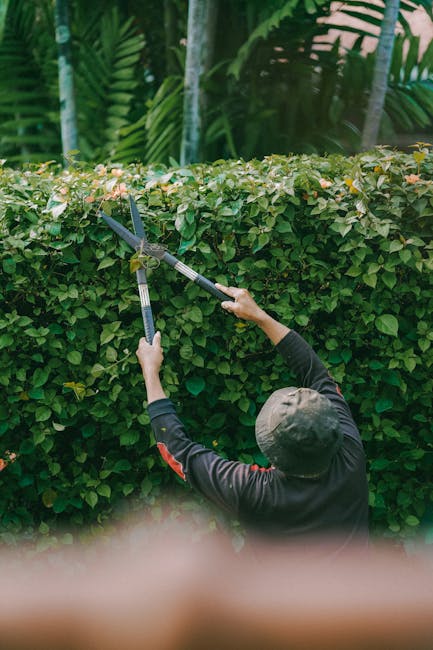
Some hedges tolerate regular shaping, but others are fussy about timing. Trimming at the wrong stage can reduce flowering, disturb nesting birds, or leave bare patches. If you need a clearer reference on shaping and technique, hedge trimming shapes and techniques is a helpful read.
4. Ignoring drainage problems
Pooling water, soggy patches, and compacted soil are not minor annoyances. They are signs the green is struggling. If you only mow and tidy without dealing with the underlying water issue, the damage keeps returning.
5. Using the same routine all year
Winter, spring, summer, and autumn ask for different work. A summer-heavy routine in January will not do much. Nor will a winter-style tidy-up in peak growing season. Seasonal adjustment matters more than people think.
6. Overworking the area when it is already stressed
After drought, frost, or storm damage, a green needs recovery time. Heavy cutting, digging, or pruning straight away can push it further backwards. If high winds are part of the problem, the advice in managing high winds in a garden is worth a look.
7. Forgetting the surrounding hardscape
Paths, decking, retaining edges, and stepping areas influence how the green functions. Slippery surfaces, broken boards, or blocked drainage channels often make the whole area feel poorly kept. Sometimes the issue is not the lawn at all.
8. Letting ivy and climbers take over
Ivy looks charming right up until it is covering the wrong thing. Once it spreads into fences, masonry, or trees, removal becomes much more involved. A practical guide like effective strategies for permanently eliminating ivy can save a lot of hassle.
Tools, Resources and Recommendations
You do not need a van full of specialist equipment to maintain a village green well. You do, however, need the right basics and the discipline to use them properly. A decent mower, edging tools, secateurs, gloves, a rake, a leaf collector, and a way to dispose of waste cleanly will cover much of the routine work.
For more occasional jobs, a few additional tools make life easier:
- Hedge trimmer for shaping shrubs and boundaries
- Aerator or fork for relieving compacted areas
- Spade and hand fork for spot weeding and border work
- Wheelbarrow or garden cart for moving debris
- Pressure washer or surface cleaner for adjoining hard landscaping
If you are unsure what to buy, a good starting point is essential gardening tools every outdoor enthusiast needs. It keeps the list practical rather than turning into a spending spree, which is always nice.
For waste and soil improvement, don't overlook composting. Green waste from routine maintenance can often be turned into a useful resource rather than bagged up and forgotten. The guide on transforming organic waste into nutritive soil is a good reminder that garden waste does not have to be dead weight.
And if you are aiming to make the area easier to maintain long term, consider ground cover, climbers, or lower-maintenance planting zones around the green rather than high-care beds that need constant attention. A useful companion read is ground cover plants for UK gardens, especially if you want to reduce bare soil and weed pressure.
Law, Compliance, Standards, or Best Practice
For shared or communal outdoor spaces, best practice matters even when there is no dramatic legal issue staring you in the face. In the UK, garden maintenance around shared areas should always be approached with care for safety, access, and neighbourly impact. If work involves tools, ladders, tree work, or access near public or shared pathways, it is sensible to consider insurance, safe working methods, and clear responsibility for the task.
Where trees or larger woody growth are involved, do not guess. Tree work can carry risks to people and property, and poor pruning can harm the tree itself. If in doubt, use a qualified approach or explore tree surgery support for anything beyond light, routine care. Likewise, fence lines and boundary structures can influence maintenance outcomes, so broken or leaning sections should not be ignored for long. The page on fencing is relevant where boundaries need attention.
There are also good housekeeping expectations around waste disposal, path safety, and making sure work does not create hazards for people passing through. If a green is used by children, pets, or older residents, the standard should be higher, not lower. A quick look at insurance and safety and the site's health and safety policy can help frame what responsible maintenance should look like in practice.
Options, Methods, or Comparison Table
Different maintenance styles suit different greens. Some spaces need frequent light attention. Others do better with fewer, more involved visits. The right choice depends on how much growth you have, who uses the area, and how quickly problems tend to return.
| Method | Best for | Strengths | Drawbacks |
|---|---|---|---|
| Frequent light maintenance | Tidy village greens with steady growth | Prevents issues building up, keeps appearance consistent | Requires discipline and regular scheduling |
| Seasonal intensive maintenance | Areas that are reasonably stable but need periodic resets | Efficient for larger tidy-up jobs | Problems can build between visits |
| Reactive maintenance only | Very low-use spaces, short-term holding patterns | Low immediate effort | Usually leads to bigger repairs, worse appearance, more stress on the site |
| Professional managed maintenance | Shared, visible, or complex spaces | Consistency, broader skill set, safer handling of specialist tasks | Costs more upfront than DIY |
If the green is part of a wider outdoor setting, combining care with other services can be sensible. For example, a tidy lawn can look strangely unfinished beside stained paving, while a newly cut hedge may expose old boundary issues. In those cases, lawn mowing, lawn care, or even landscaping support might make more sense together than as separate jobs.
Case Study or Real-World Example
A small Queensbury communal green we reviewed recently had a very common problem: it looked fine from a distance, but up close the issues were obvious. The grass had been cut too short for several passes in a row, the edges had gone soft, and a shaded corner near the boundary fence was full of weeds and thin turf. Nothing dramatic. Just enough neglect to make the space feel tired.
The first fix was simple: stop the scalp cuts, let the turf recover, and tidy the edges properly. The second was more strategic: clear the weeds before they seeded, then improve airflow around the damp corner by reducing some nearby overgrowth. The third was about routine. Instead of waiting for the area to look bad, the maintenance team shifted to a lighter but more frequent schedule.
Within a few weeks, the space looked calmer and more intentional. Nothing magic happened. No miracle product, no secret feed. Just a better rhythm and fewer mistakes. That is usually how these things go, honestly. The boring answer tends to be the right one.
Practical Checklist
Use this checklist before and after each maintenance visit.
- Check the full green for uneven growth, weeds, bare patches, and drainage issues.
- Set mowing height appropriate to the season and grass condition.
- Trim edges cleanly without damaging roots or borders.
- Remove clippings, leaves, and debris from paths and seating areas.
- Inspect hedges, shrubs, and trees for deadwood or overextension.
- Confirm no slippery surfaces or trip hazards remain.
- Spot-treat weeds before they flower or seed.
- Adjust the routine after heavy rain, frost, drought, or strong winds.
- Log anything unusual so the next visit starts with better information.
- Review whether the current routine is preventing problems, not just clearing them up.
Expert summary: the best maintenance plan is usually the one that stays small, regular, and realistic. If you wait for the green to shout at you, it is already late.
Conclusion
Keeping a village green in good shape is less about dramatic effort and more about avoiding the same handful of mistakes again and again. Cut at the right height. Tackle weeds early. Respect the seasons. Don't ignore drainage, borders, or overgrowth. And above all, don't confuse a quick tidy with proper maintenance. They are not the same thing, not even close.
For Queensbury properties, that steady, practical approach pays off in a cleaner look, healthier growth, and a space people actually want to use. Whether you manage it yourself or bring in help for the heavier work, the goal is the same: keep the green safe, tidy, and quietly welcoming. A well-kept space has a way of lifting everything around it, even on a dull day.
If you want support with a one-off refresh or ongoing care, speak with a local team that understands shared outdoor spaces and can help you plan the work properly.
Get a free quote today and see how much you can save.
Frequently Asked Questions
What are the most common Queensbury Village green garden maintenance mistakes to avoid?
The biggest mistakes are cutting grass too short, leaving weeds too long, trimming hedges at the wrong time, and ignoring drainage or compacted soil. These are the problems that tend to build slowly and then become expensive to fix.
How often should a village green be maintained?
That depends on the size of the space, how quickly it grows, and how it is used. In many cases, lighter but more regular visits work better than occasional heavy clear-ups. A green should not be left to drift for weeks on end.
Is it better to mow a green short for a neat look?
Not really. Very short cutting can weaken the turf and make it more vulnerable to weeds and dry patches. A slightly longer cut is often healthier and more resilient, especially in changeable weather.
When should hedges and shrubs be trimmed?
It depends on the species and the season. Some hedges tolerate regular trimming, while others should only be cut at certain times of year. If you are unsure, take a careful approach rather than guessing.
What should I do if the green has become overgrown?
Start with an assessment, then work in stages: clear access, remove weeds, reduce heavy growth, and only then refine the edges and finish. A full reset is usually safer than trying to do everything in one hurried session.
Can I handle village green maintenance myself?
Yes, if the space is manageable and you have the right tools and time. But if the area is large, badly overgrown, or needs specialist work like tree or boundary care, professional help is often the better choice.
Do I need special equipment for communal garden care?
Not necessarily. A good mower, edging tools, secateurs, gloves, a rake, and waste handling equipment are enough for many jobs. More complex spaces may need additional tools or specialist support.
What is the best way to stop weeds coming back?
Remove them early, before they seed, and keep the area dense and healthy so there is less open ground for new growth to take hold. Regular checks matter more than one big seasonal effort.
How do weather conditions affect maintenance in Queensbury?
Wet weather can make mowing and cutting more damaging, frost can make plants brittle, and dry spells can stress turf. That is why seasonal timing and sensible judgment are so important in local maintenance.
Should safety and insurance be considered for garden maintenance?
Yes. Shared outdoor spaces often involve tools, access routes, and possible risks to people nearby. Good practice includes safe working methods, sensible planning, and awareness of the responsibilities involved.
Can landscaping help reduce maintenance mistakes?
Absolutely. Better layout, improved drainage, sensible planting choices, and clearer boundaries can all make a green easier to maintain. Sometimes a small design change saves years of hassle.
Where can I get help if the maintenance job is getting too much?
If the work is becoming repetitive, physically demanding, or difficult to keep up with, it may be time to speak to a local gardening team. A proper plan can make a huge difference, and it's often less stressful than trying to fight the same problems every month.